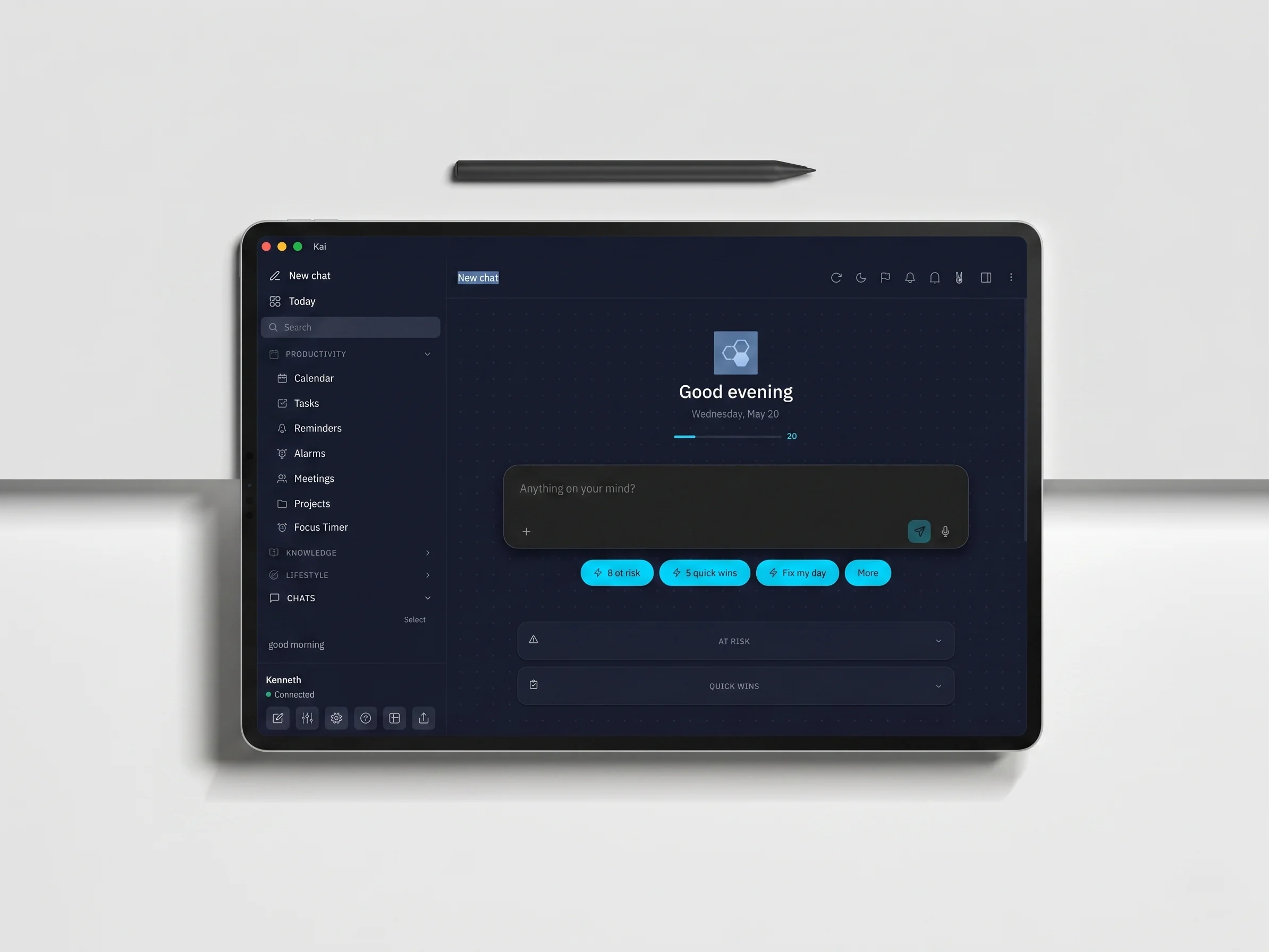
Wir prüfen, diagnostizieren und beheben jedes technische Problem, das Google daran hindert, Ihre Website zu crawlen, zu verstehen und zu ranken – von Core Web Vitals und strukturierten Daten bis hin zu JavaScript-Rendering und Server-Konfiguration.
Was ist technisches SEO?
Technisches SEO ist die Praxis, sicherzustellen, dass Ihre Website so aufgebaut und konfiguriert ist, dass Suchmaschinen jede Seite effizient crawlen, indexieren und verstehen können. Es umfasst Website-Geschwindigkeit, Mobile-First-Design, Core Web Vitals, strukturierte Daten-Auszeichnungen, JavaScript-Rendering, Canonical-Tags, Weiterleitungen, Sitemaps und Server-Antwortzeiten. Ohne eine solide technische Grundlage kann selbst der beste Inhalt sein volles Ranking-Potenzial nicht ausschöpfen – Suchmaschinen können schlichtweg nicht finden oder angemessen bewerten, was Sie veröffentlicht haben.
53 % der mobilen Besucherinnen und Besucher verlassen eine Seite, die länger als 3 Sekunden zum Laden braucht – die technische Leistung beeinflusst direkt, wie viele Menschen Ihre Website erreicht.
Core Web Vitals
Wir identifizieren und beheben die genauen Probleme, die Ihre Geschwindigkeits-Scores senken – Bild-Optimierung, Layout-Verschiebungen, Interaktionsverzögerungen und Server-Antwortzeiten – damit Ihre Seiten Googles Leistungsschwellen bestehen.
- LCP-Optimierung
- CLS-Korrekturen
- INP-Verbesserungen
- Bildkomprimierung
- Schrift-Laden
- Render-Blockierung
Crawl- und Index-Optimierung
Wir kartieren, wie Suchmaschinen Ihre Website durchlaufen, beheben Crawl-Fallen und blockierte Ressourcen und stellen sicher, dass jede Seite, die Sie indexiert haben möchten, auffindbar ist – während die Seiten, die nicht in Suchergebnissen erscheinen sollen, herausgehalten werden.
- Crawl-Budget-Analyse
- Robots.txt-Audit
- Sitemap-Verwaltung
- Canonical-Tags
- Weiterleitungsketten
- Index-Abdeckung
Strukturierte Daten & Schema
Wir implementieren die strukturierten Daten-Auszeichnungen, die Rich Results in der Suche ermöglichen – Sternebewertungen, FAQs, Produktdetails, Breadcrumbs und mehr – und verschaffen Ihren Seiten so einen sichtbaren Vorteil gegenüber einfachen Suchergebnissen.
- JSON-LD-Implementierung
- FAQ-Schema
- Produkt-Schema
- LocalBusiness-Schema
- BreadcrumbList
- Rich-Result-Testing
JavaScript-SEO
Wir prüfen, wie Suchmaschinen mit Ihren JavaScript-gerenderten Inhalten umgehen, beheben Crawl- und Rendering-Probleme und stellen sicher, dass dynamisch generierte Seiten vollständig indexierbar sind, ohne sich ausschließlich auf clientseitiges Rendering zu verlassen.
- Rendering-Audit
- SSR-/SSG-Überprüfung
- Dynamisches Rendering
- Hydrations-Probleme
- JS-Bundle-Analyse
- Crawl-Simulation
Server- & Hosting-Optimierung
Wir überprüfen Ihre Hosting-Umgebung, CDN-Konfiguration, HTTP-Header und Server-Antwortzeiten – und nehmen die Infrastruktur-Änderungen vor, die sowohl die Geschwindigkeit als auch die Crawl-Effizienz im großen Maßstab verbessern.
- TTFB-Reduzierung
- CDN-Konfiguration
- HTTP/2 & HTTP/3
- Caching-Strategie
- Sicherheits-Header
- Server-Antwort

Warum in technisches SEO investieren?
Technisches Audit
Wir führen einen umfassenden Crawl Ihrer Website zusammen mit manueller Analyse durch – und untersuchen Core Web Vitals-Scores, Crawl-Abdeckung, Indexierungsstatus, Validität strukturierter Daten und JavaScript-Rendering-Verhalten.
- Vollständiger Website-Crawl & Abdeckungsbericht
- Core Web Vitals Feld- & Labordaten
- Validierung strukturierter Daten
- JavaScript-Rendering-Audit
Priorisierter Maßnahmenplan
Wir priorisieren jedes Problem nach seinem Einfluss auf Rankings und Nutzererfahrung und liefern eine priorisierte Roadmap, die die schädlichsten Probleme zuerst angeht – damit Sie so schnell wie möglich Verbesserungen sehen.
- Nach Auswirkung gerankte Problemliste
- Aufwand-vs.-Auswirkung-Matrix
- Entwickler-Briefing pro Behebung
- Identifikation von Quick Wins
Umsetzung
Wir beheben die Probleme selbst oder arbeiten direkt mit Ihrem Entwicklungsteam zusammen – liefern präzise Spezifikationen, überprüfen Pull Requests und verifizieren jede Behebung in einer Staging-Umgebung, bevor sie live geht.
- Direkte Umsetzung oder Entwickler-Support
- Staging-Verifizierung
- Cross-Browser- & Gerätetests
- Bestätigung nach dem Deployment
Monitoring & Iteration
Technische Gesundheit erfordert kontinuierliche Aufmerksamkeit. Wir überwachen fortlaufend Crawl-Abdeckung, Core Web Vitals und Indexierungsstatus Ihrer Website – und erkennen Rückschritte, bevor sie sich auf Ihre Rankings auswirken.
- Monatliche technische Gesundheitsberichte
- Core Web Vitals-Monitoring
- Index-Abdeckungsalarme
- Regressions-Erkennung

Technisches SEO vs. reines Content-SEO
| Faktor | Technisches SEO | Reines Content-SEO |
|---|---|---|
| Crawlbarkeit | Stellt sicher, dass jede Seite korrekt gefunden und indexiert wird | Geht nicht darauf ein, ob Seiten erreichbar sind |
| Geschwindigkeit | Verbessert Ladezeiten und Core Web Vitals-Scores direkt | Kein Einfluss auf die Seitenleistung |
| Skalierbarkeit | Lässt große Websites beim Wachsen effizient funktionieren | Leistung nimmt ab, je mehr Inhalt hinzukommt |
| Rich Results | Ermöglicht Sternebewertungen, FAQs und erweiterte Suchergebnisse | Nicht verfügbar ohne strukturierte Daten-Auszeichnungen |
| Langfristiger ROI | Korrekturen multiplizieren sich – jedes behobene Problem nützt allen zukünftigen Inhalten | Ergebnisse begrenzt durch die vorhandene technische Grenze |
Was kostet technisches SEO?
Technisches SEO beginnt typischerweise ab 800 € bis 2.500 € für ein erstes Audit und einen Maßnahmenplan, mit laufenden monatlichen Pauschalhonoraren von 500 € bis 1.500 €, abhängig von der Komplexität der Website und dem Umfang der zu behebenden Probleme. Wir bieten ein kostenloses Website-Audit an, damit Sie genau sehen, was Ihre Website zurückhält, bevor Sie sich für eine Zusammenarbeit entscheiden.
Wie lange dauert es, bis technisches SEO Ergebnisse zeigt?
Einige Korrekturen – wie das Auflösen von Weiterleitungsketten, das Beheben von fehlerhaften Seiten oder das Korrigieren von Canonical-Fehlern – zeigen innerhalb von Tagen bis Wochen Ergebnisse, wenn Suchmaschinen Ihre Website erneut crawlen. Verbesserungen der Core Web Vitals und strukturierten Daten können Rankings innerhalb von 4–8 Wochen beeinflussen. Eine vollständige technische Überarbeitung erzeugt typischerweise messbare Ranking-Gewinne über 2–4 Monate.
Was sind Core Web Vitals und warum sind sie wichtig?
Core Web Vitals sind Googles drei Seitenerfahrungs-Metriken: wie lange es dauert, bis der Hauptinhalt sichtbar wird, ob Seitenelemente beim Laden unerwartet springen, und wie schnell die Seite auf Nutzerinteraktionen reagiert. Google verwendet diese als Ranking-Signale – Seiten, die bei diesen Metriken schlecht abschneiden, sind in Suchergebnissen im Nachteil.
Was ist Crawl-Budget und sollte ich mir darüber Sorgen machen?
Das Crawl-Budget ist die Anzahl der Seiten, die Googlebot auf Ihrer Website in einem bestimmten Zeitraum crawlen wird. Für kleine Websites spielt das kaum eine Rolle, aber für große Websites mit Tausenden von Seiten – insbesondere E-Commerce und Medien – bedeutet verschwendetes Crawl-Budget, dass neue oder aktualisierte Inhalte langsamer indexiert werden. Wir prüfen, wie effizient Ihr Budget eingesetzt wird, und beheben die Verschwendung.
Wie beeinflusst JavaScript das Crawlen von Suchmaschinen?
Suchmaschinen können JavaScript ausführen, tun dies aber in einer zweiten Verarbeitungswelle, die die Indexierung um Tage oder Wochen verzögern kann. Wenn Ihre Website stark auf JavaScript angewiesen ist, um Inhalte, Metadaten oder Links darzustellen, werden diese Elemente möglicherweise von Suchmaschinen gar nicht gesehen – oder viel später als statische Inhalte indexiert. Wir prüfen und schließen diese Rendering-Lücken.
Was sind Canonical-Tags und wann brauche ich sie?
Canonical-Tags teilen Suchmaschinen mit, welche Version einer URL die "korrekte" ist, wenn derselbe oder ähnlicher Inhalt unter mehreren URLs vorhanden ist. Sie sind unverzichtbar für E-Commerce-Websites mit Produktvarianten, Websites mit URL-Parametern und jede Website, die sowohl über www- als auch Nicht-www-Versionen aufgerufen werden kann. Falsche Canonicals können die Ranking-Signale Ihrer Seite auf mehrere URLs aufteilen.
Wie beeinflussen Weiterleitungen Suchrankings?
Eine einzelne 301-Weiterleitung überträgt nahezu alle Ranking-Signale einer Seite auf die Ziel-URL – das ist in Ordnung und erwartet. Das Problem sind Weiterleitungsketten (A → B → C) und Weiterleitungs-Schleifen, die Crawl-Budget verschwenden, Seitenladezeiten verlangsamen und das Signal, das durch jeden Sprung geleitet wird, verwässern. Wir prüfen alle Weiterleitungen und reduzieren Ketten auf einzelne Sprünge.
Was sind strukturierte Daten und wie verbessern sie die Suchsichtbarkeit?
Strukturierte Daten sind Code, der Ihren Seiten hinzugefügt wird und Suchmaschinen explizit mitteilt, welche Art von Inhalt Sie haben – ein Produkt, eine Bewertung, eine Veranstaltung, eine FAQ – und die spezifischen Eigenschaften dieses Inhalts. Suchmaschinen nutzen dies, um Rich Results anzuzeigen: Sternebewertungen, Preisspannen, FAQ-Dropdowns und mehr. Diese erweiterten Ergebnisse erhalten mehr Klicks als einfache Textergebnisse.
Was ist Mobile-First-Indexierung?
Google verwendet primär die mobile Version Ihrer Website, um zu bestimmen, wie Ihre Seiten ranken – sogar bei Desktop-Suchanfragen. Wenn Ihre mobile Website langsamer ist, weniger Inhalte enthält oder sich anders darstellt als Ihre Desktop-Website, werden Ihre Rankings die schwächere mobile Erfahrung widerspiegeln. Wir prüfen mobile Leistung, Inhaltsparität und Benutzerfreundlichkeit, um sicherzustellen, dass Ihre Website bereit ist.
Wie beeinflusst die Seitengeschwindigkeit Rankings?
Seitengeschwindigkeit ist ein direkter Ranking-Faktor für Google, insbesondere auf Mobilgeräten. Abgesehen von Rankings erhöhen langsame Seiten die Rate, mit der Besucherinnen und Besucher die Seite verlassen, bevor sie vollständig geladen ist – was bedeutet, dass weniger Menschen Ihre Inhalte sehen, unabhängig davon, wo Sie ranken. Wir optimieren Bilder, reduzieren rendering-blockierende Ressourcen, verbessern Server-Antwortzeiten und konfigurieren CDN-Caching, um jede Seite zu beschleunigen.
Brauche ich ein CDN und wie hilft es?
Ein Content Delivery Network (CDN) verteilt die Assets Ihrer Website – Bilder, Skripte, Stylesheets – auf Servern auf der ganzen Welt, sodass Besucherinnen und Besucher sie von einem geografisch nahen Server laden. Dies reduziert Latenz, verbessert Ladezeiten und verbessert Core Web Vitals-Scores für internationale Besucherinnen und Besucher. Für international zugängliche Websites – wie es im DACH-Raum häufig der Fall ist – ist ein CDN unverzichtbare Infrastruktur.
Was bewirkt, dass Seiten von Google nicht indexiert werden?
Seiten können aus vielen Gründen nicht indexiert werden: blockiert in robots.txt, ein Noindex-Tag, schlechte Crawl-Budget-Zuteilung, Canonical-Tags, die auf andere Seiten verweisen, langsame Ladezeiten, die dazu führen, dass Googlebot abbricht, JavaScript-Rendering-Probleme oder schlicht keine Verlinkung von anderen Seiten. Wir identifizieren die genaue Ursache für jede fehlende Seite und beheben sie.
Was ist die Server-Antwortzeit und wie verbessere ich sie?
Die Server-Antwortzeit (auch TTFB – Time To First Byte genannt) ist die Zeit, die Ihr Server benötigt, um mit der Beantwortung einer Anfrage zu beginnen. Eine langsame Server-Antwort verzögert alles, was danach passiert – HTML-Parsing, Ressourcen-Laden, Rendering. Wir analysieren Ihre Hosting-Einrichtung, Datenbankabfragen, Caching-Strategie und CDN-Konfiguration, um Antwortzeiten zu senken.
Wie oft sollte ein technisches SEO-Audit durchgeführt werden?
Wir empfehlen ein vollständiges technisches Audit immer dann, wenn Sie eine neue Website starten oder wesentliche Änderungen an Ihrer Plattform oder Architektur vornehmen. Für etablierte Websites fängt eine vierteljährliche Überprüfung Rückschritte auf, die durch Entwicklungsänderungen eingeführt wurden, und ein monatliches Monitoring von Core Web Vitals und Index-Abdeckung erkennt Probleme, bevor sie Rankings beeinflussen.
Können technische SEO-Korrekturen meinen Rankings schaden?
Schlecht implementierte technische Änderungen können Rankings schaden – insbesondere falsche Canonicals, versehentliche Noindex-Tags und misslungene Weiterleitungen. Deshalb testen wir Änderungen immer in einer Staging-Umgebung, bevor wir sie in die Produktion deployen, und verifizieren das Ergebnis in Suchmaschinen-Tools nach jeder Änderung. Jede Korrektur wird geprüft, nicht nur angewendet.
Finden Sie heraus, was Ihre Website zurückhält
Erhalten Sie ein kostenloses technisches SEO-Audit und eine priorisierte Liste mit genau dem, was behoben werden muss – inklusive der Auswirkung, die jede Korrektur auf Ihre Suchsichtbarkeit haben wird.
Jetzt kostenloses technisches SEO-Audit anfordernWe design and build digital products that move fast and feel right. Strategy, design, and engineering — under one roof.

Echoflicks

Hacienda de Samotracia

APM

Audra

Inmobi

SettleU
Insourceful

D-couple

KAUFAST