SEO ентитета је темељ AI видљивости. Градимо отисак ентитета вашег бренда — структурирану представу знања коју AI системи користе да разумеју ко сте, шта радите и зашто сте ауторитативни. Без снажних сигнала ентитета, AI системи вас не могу поуздано препоручити.
Шта је SEO ентитета?
SEO ентитета је пракса изградње и јачања присуства вашег бренда као посебног ентитета у графовима знања, системима структурираних података и разумевању AI модела. Ентитет је јединствено препознатљив концепт — ваш бренд, ваши производи, чланови тима, ваше локације. Када AI системи препознају ваш бренд као добро дефинисан ентитет са јасним односима и сигналима ауторитета, могу вас поуздано препоручити. SEO ентитета је оно што раздваја брендове којима AI системи верују од брендова које игноришу.
Brands with strong knowledge graph presence are 5x more likely to appear in AI-generated answers
Оптимизација графа знања
Јачамо присуство вашег бренда у Google Knowledge Graph-у, Wikidata-и и другим базама знања. Ово укључује креирање ентитета, мапирање односа и обезбеђивање да AI системи имају тачне, структуриране информације о вашем послу.
- Google Knowledge Graph
- Wikidata
- креирање ентитета
- базе знања
Мапирање односа ентитета
Мапирамо и јачамо односе између ентитета вашег бренда и повезаних ентитета — ваших производа, чланова тима, локација, категорија индустрије и ауторитативних извора који вас референцирају.
- односи ентитета
- семантичке везе
- суприсуство
- граф бренда
Архитектура Schema означавања
Дизајнирамо и имплементирамо свеобухватне структуриране податке Schema.org који дефинишу ентитет вашег бренда, његове особине и односе. Ово је машински читљив слој који AI системи користе за разумевање вашег посла.
- Schema.org
- JSON-LD
- Organization schema
- sameAs
- @id
Развој ентитета бренда
Развијамо ваш бренд из непознатог имена у препознат ентитет — кроз конзистентне структуриране податке, присуство на више платформи, ауторитативна помињања и сигнале за разјашњење који спречавају замену ентитета.
- ентитет бренда
- разјашњење
- сигнали ауторитета
- препознавање ентитета
Изградња тематског ауторитета
Градимо дубок тематски ауторитет у вашем домену кроз структуриране кластере садржаја, интерно повезивање, сигнале стручности и семантичку дубину коју AI системи користе за процену да ли сте кредибилан извор на одређену тему.
- тематски ауторитет
- кластери садржаја
- сигнали стручности
- семантичка дубина
Мониторинг и одржавање ентитета
Пратимо како AI системи представљају ваш ентитет — бележимо тачност, комплетност и сигнале ауторитета током времена. Када се уноси у графу знања промене или се појаве нови конфликти ентитета, проактивно их решавамо.
- мониторинг ентитета
- ажурирања графа знања
- решавање конфликата

Зашто је SEO ентитета темељ AI видљивости
Аудит ентитета
Анализирамо тренутни отисак ентитета вашег бренда — присуство у графу знања, квалитет структурираних података, односе ентитета, сигнале за разјашњење и како AI системи тренутно разумеју ваш бренд.
- Провера присуства у графу знања
- Аудит Schema означавања
- Мапирање односа ентитета
- Анализа разјашњења
- Поређење ентитета конкуренције
Архитектура ентитета
Дизајнирамо вашу стратегију ентитета — које ентитете креирати или ојачати, које односе успоставити и како структурирати ваш граф знања за максималну AI видљивост.
- Дизајн хијерархије ентитета
- Нацрт односа
- Schema архитектура
- План сигнала ауторитета
Имплементација
Градимо отисак вашег ентитета — постављање структурираних података, доприноси графу знања, садржај за тематски ауторитет и сигнали ентитета на више платформи.
- Постављање Schema означавања
- Доприноси Wikidata-и
- Садржај за тематски ауторитет
- Повезивање sameAs и @id
- Конзистентност NAP података
Мониторинг ентитета
Пратимо здравље вашег ентитета месечно — тачност графа знања, квалитет AI представе, раст сигнала ауторитета и кретања ентитета конкуренције.
- Месечни извештаји о здрављу ентитета
- Мониторинг графа знања
- Праћење AI представе
- Анализа ентитета конкуренције

SEO садржаја vs SEO ентитета
| Димензија | SEO садржаја | SEO ентитета |
|---|---|---|
| Фокус | Странице и кључне речи | Ентитети и односи |
| Излаз | Оптимизован садржај | Структурирана представа знања |
| Сигнали | Повратне везе, број речи, густина кључних речи | Schema означавање, граф знања, ауторитет ентитета |
| Утицај на AI | Помаже AI да пронађе садржај | Помаже AI да разуме и верује вашем бренду |
| Трајност | Рангирања флуктуирају | Ауторитет ентитета је трајан |
Шта је ентитет у SEO-у?
Ентитет је јединствено препознатљив концепт — особа, организација, производ, локација или идеја. У SEO-у, ентитети су структуриране представе знања које претраживачи и AI системи користе за разумевање и категоризацију информација. Ваш бренд, чланови тима и производи су сви ентитети.
Шта је граф знања?
Граф знања је структурирана база података ентитета и њихових односа. Google Knowledge Graph, на пример, садржи милијарде ентитета и разуме како су повезани. Када AI системи треба да верификују ко је неки бренд или шта ради, консултују графове знања.
Како SEO ентитета помаже са AI видљивошћу?
AI системи морају да препознају ваш бренд као посебан ентитет пре него што могу да га препоруче. SEO ентитета гради сигнале структурираног знања — Schema означавање, присуство у графу знања, односе ентитета — које AI системи користе за идентификацију и поверење вашем бренду.
Да ли ми треба SEO ентитета ако већ радим обичан SEO?
Да. Традиционални SEO се фокусира на оптимизацију на нивоу странице (кључне речи, повратне везе). SEO ентитета се фокусира на препознавање на нивоу бренда. Можете се добро рангирати за конкретне кључне речи, а и даље бити невидљиви за AI системе ако су ваши сигнали ентитета слаби.
Шта је Schema.org и зашто је важан за ентитете?
Schema.org је речник структурираних података који се користи за дефинисање ентитета у машински читљивом формату. Говори AI системима ваш тип организације, чланове тима, производе, рецензије и стручност. Без Schema.org означавања, AI системи морају да погађају шта је ваш бренд — и често погрешно погоде.
Како да уведем свој бренд у Google Knowledge Graph?
Укључивање у Knowledge Graph захтева конзистентне сигнале ентитета: структуриране податке на вашем сајту, уносе у Wikidata-и, конзистентне NAP (име, адреса, телефон) податке, ауторитативна помињања на вебу и Wikipedia референце за веће ентитете. Ми градимо ове сигнале систематски.
Шта је разјашњење ентитета?
Разјашњење ентитета је обезбеђивање да AI системи не помешају ваш бренд са ентитетима сличног имена. Ако постоји друга компанија са вашим именом, сигнали за разјашњење (јединствени идентификатори, @id, sameAs линкови) помажу AI системима да направе разлику.
Колико времена треба да SEO ентитета покаже резултате?
Промене Schema означавања почињу да делују за неколико недеља док индексери поново индексирају. Побољшања графа знања и ауторитета ентитета обично показују мерљиве резултате за 2-4 месеца. Потпуни ауторитет ентитета се увећава током 6-12 месеци.
Шта је тематски ауторитет?
Тематски ауторитет је поверење AI система да је ваш бренд стручњак за одређену тему. Гради се кроз дубоке, структуриране кластере садржаја, конзистентне сигнале стручности и односе ентитета који демонстрирају познавање домена.
Може ли SEO ентитета помоћи и са Google рангирањем?
Апсолутно. Google све више користи разумевање ентитета за рангирање. Брендови са снажним сигналима ентитета боље се рангирају за упите о бренду, добијају Knowledge Panel-е и појављују се у повезаним претрагама. SEO ентитета помаже и традиционалној и AI претрази.
Какав је однос између ентитета и структурираних података?
Структурирани подаци (Schema.org) су начин на који дефинишете ентитете у машински читљивом формату. То је имплементациони слој SEO-а ентитета — код који говори AI системима 'ово је наша организација, ово су наши производи, ово су чланови нашег тима.'
Како мерите ауторитет ентитета?
Пратимо присуство у графу знања, оцене комплетности Schema означавања, учесталост AI цитирања, препознавање ентитета на платформама и снагу ентитета конкуренције. Заједно ове метрике дају свеобухватан поглед на здравље вашег ентитета.
Да ли је SEO ентитета релевантан за мале послове?
Веома. Мали послови често немају никакво присуство ентитета — невидљиви су за AI системе. Успостављање чак и основних сигнала ентитета (исправно Schema означавање, Google Business профил, конзистентни NAP подаци) може драматично побољшати AI видљивост.
Која је разлика између SEO-а ентитета и Schema означавања?
Schema означавање је један алат унутар SEO-а ентитета. SEO ентитета је шира стратегија изградње идентитета вашег бренда у системима знања. Schema означавање дефинише ваше ентитете у коду; SEO ентитета такође укључује развој графа знања, тематски ауторитет и сигнале ентитета на више платформи.
Колико кошта SEO ентитета?
Цена зависи од вашег тренутног стања ентитета, сложености индустрије и броја ентитета које треба развити. Посао са једном локацијом и основним потребама за ентитетима кошта мање од предузећа са више локација. Контактирајте нас за понуду прилагођену вашем обиму.
Сазнајте колико су снажни ваши сигнали ентитета
Наш бесплатни AI аудит видљивости укључује анализу ентитета — показује како AI системи тренутно разумеју ваш бренд и шта недостаје.
Покрените бесплатну проверу ентитетаWe design and build digital products that move fast and feel right. Strategy, design, and engineering — under one roof.

Echoflicks

Hacienda de Samotracia

APM

Audra
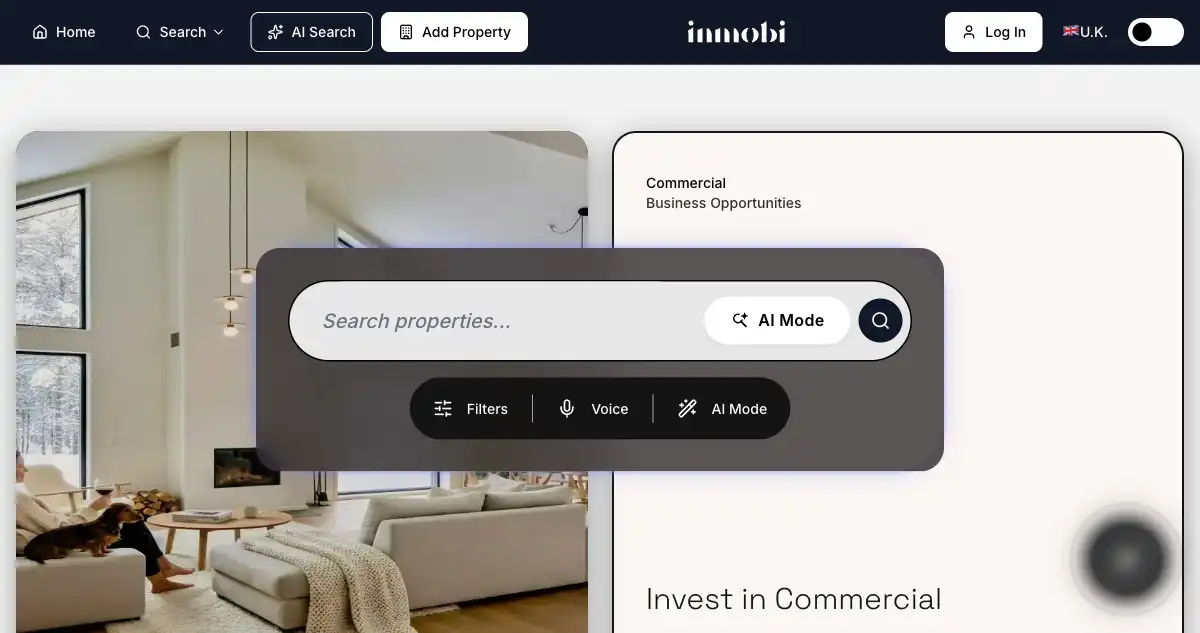
Inmobi
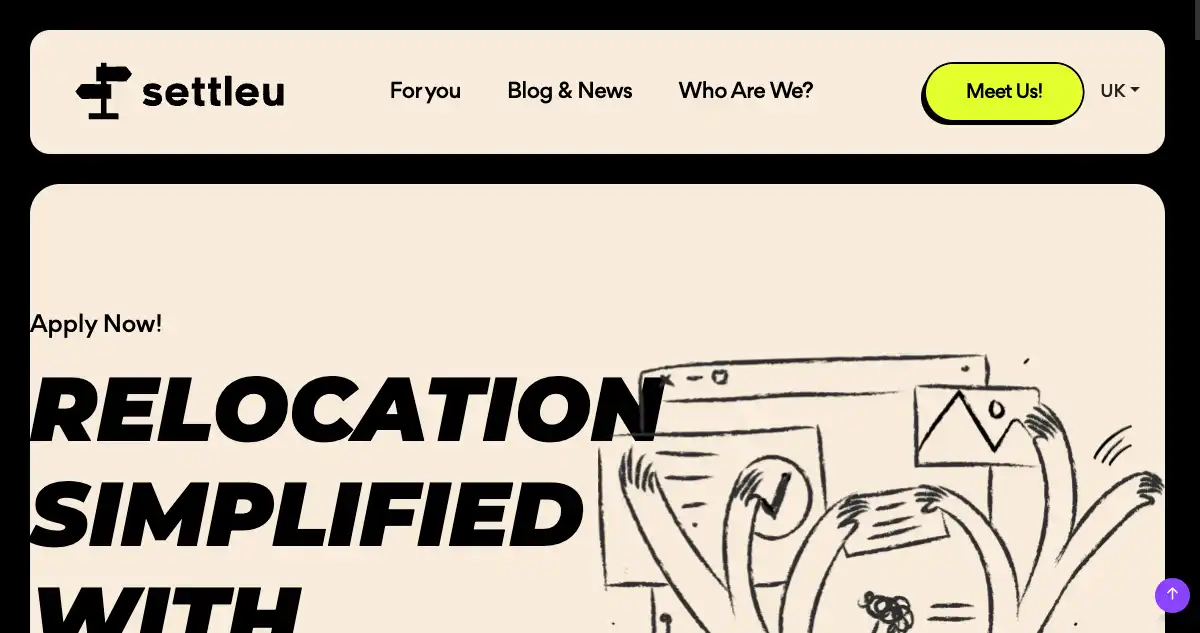
SettleU

Insourceful

D-couple

KAUFAST